

Characteristics of curtain wall
The air tightness of the curtain wall system can impact the infiltration of outdoor air into the building. A well-designed and properly sealed curtain wall can minimize air leakage, reducing the energy required for heating or cooling.
Why is it better to use a curtain wall?
Condensation: The design of the curtain wall should consider the potential for condensation formation on the interior surfaces. Proper insulation, thermal breaks, and vapor barriers can help prevent condensation issues, which could affect the building’s energy performance and indoor air quality. 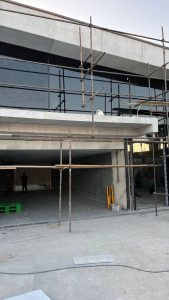
Characteristics of thermal break in curtain wall system
It’s important to note that the overall energy consumption of a building depends on various factors beyond the curtain wall, including the building’s orientation, HVAC system efficiency, insulation levels, and occupant behavior. However, the curtain wall system plays a significant role in the building’s thermal performance and energy efficiency, and careful design and selection can help optimize energy consumption. 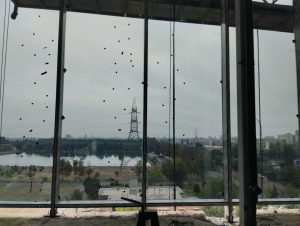 Certainly! Thermal breaks are an important feature in curtain wall systems to improve their thermal performance and reduce heat transfer between the interior and exterior of a building. They are typically used in aluminum-framed curtain walls, where aluminum is a highly conductive material that can allow significant heat loss or gain.
What is thermal break?
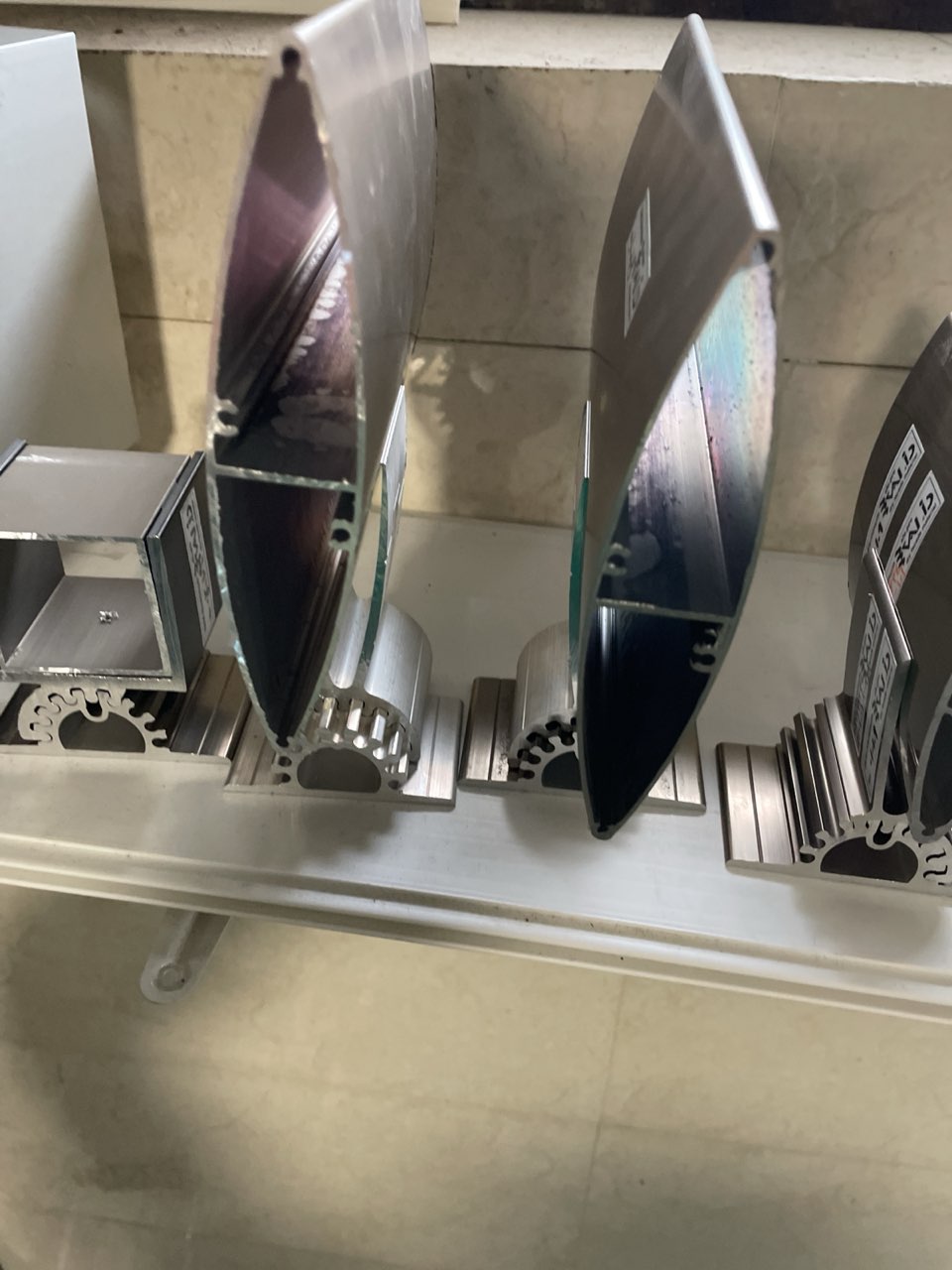
A thermal break is a material with low thermal conductivity that is placed between the interior and exterior aluminum sections of a curtainwall system. Its purpose is to create a barrier that minimizes the transfer of heat between the two sections, effectively reducing thermal bridging. 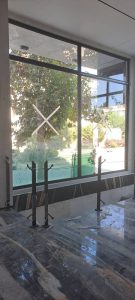
Thermal breaks can be achieved through different methods:
Insulating Strips: One common approach is to insert insulating strips made of materials such as polyamide or polyurethane into the aluminum frame. These strips have low thermal conductivity and act as a thermal barrier, preventing direct contact between the interior and exterior sections of the frame. 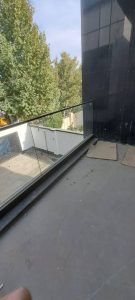
- Pour and Debridge: Another method involves a process called “pour and debridge.” In this approach, a liquid insulating material, such as polyurethane, is poured into a channel created within the aluminum frame. Once the material solidifies, the excess aluminum is removed, leaving a thermal barrier.
- Thermal Break Pads: Thermal break pads can also be used to create a separation between the interior and exterior sections of the aluminum frame. These pads are typically made of materials like neoprene or silicone and are placed between the frame components to interrupt the thermal bridge.
consumption and operational costs. Overall, thermal breaks play a crucial role in optimizing the thermal performance of curtainwall systems, enhancing energy efficiency, and improving occupants’ comfort and well-being. You can contact us to buy and sell these products:
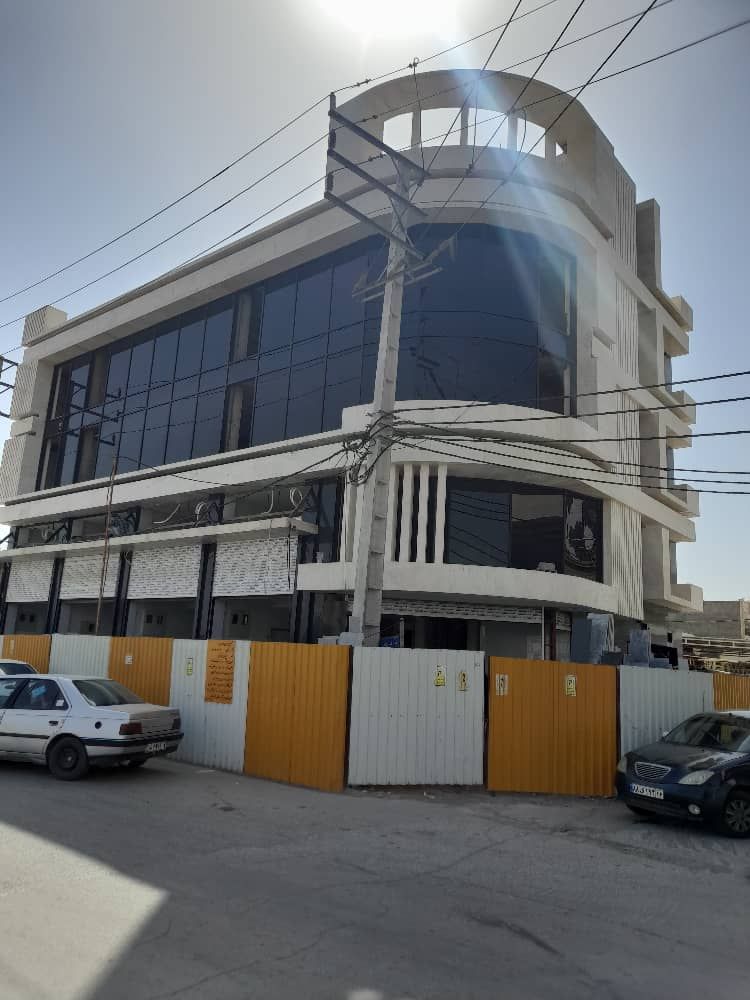
Types and examples of curtain wall construction and execution
Building Facade|facade engineering|facade materials
Ceramics Facades Handrails|Terracotta Facade|Thermowood
WPC Wood Plastic|facades glass|dryfacade (Aluminum Louvers)
Detailed technical and executive information for those interested
Also, Here are some of the capabilities of this company:
Valid Aluminium Company site
aluminum company producer & factory
Manufacture aluminum profile windows&dooraluminum
Details of the Valid Aluminium Company of factory products
Curtain Wall|Frameless glass facade|Aluminum louver
Skylight glass|Dry ceramic|Dry stone|aluminum profile
Glass Aluminum handrails|Composite sheet|Wood-plastic(WPC)
Spider|Facade Design &Concept Engineering Interior Design
و
از
و
از
و
از
و
از
و
از
و
از
و
و
از
و
از
و
از
و
از
و
از
و
از
و

دیدگاه شما با موفقیت ثبت شد.